In Asia, the word “herb” still bears a shadow of misunderstanding.
Popularized through the perfume and cosmetics industries under the banner of aromatherapy, herbs have often been seen as little more than fragrant plants—pleasing to the senses, but not much more.
Yet herbs are far more than aroma.
They are effective plants—multi-dimensional resources that adapt their value according to purpose. They are ingredients in pharmaceuticals, culinary staples, natural preservatives, pet wellness products, and potent tools in both modern and traditional medicine.
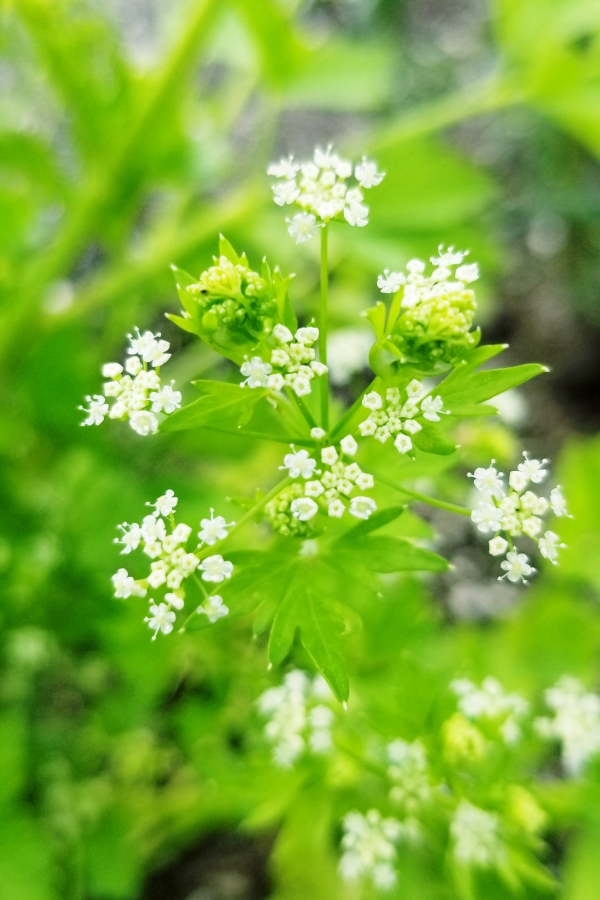
Whether called yakcho in Korean & Eastern medicine, crude drugs in pharmacology, or herbs in complementary therapy—these names speak not of difference, but of the same shared resource seen from different angles. To study herbs, then, is to study the integrative language of life.
It is to learn how nature communicates healing, resilience, and wisdom in ways that defy modern binaries.
In a world increasingly dominated by artificial intelligence and speed, it may be the unseen, the ancient, and the rooted that become most essential.
Leave a Reply
You must be logged in to post a comment.